The Advancement of Aluminum Spreading Techniques
Over the years, numerous ingenious strategies have actually transformed light weight aluminum casting, greatly improving its performance and precision. The advancement began with standard sand spreading approaches, which, while efficient, frequently led to inconsistencies in surface coating and dimensional precision. The intro of die spreading in the mid-20th century enabled faster production rates and enhanced top quality, as liquified aluminum was pushed into molds under high stress, lowering porosity and boosting detail.
Further improvements consisted of financial investment spreading, which gave even intricate designs and finer resistances. The introduction of computer system mathematical control (CNC) modern technology additionally changed mold and mildew layout, allowing manufacturers to create complex geometries with amazing accuracy. Today, additive manufacturing techniques, such as 3D printing for developing mold and mildews, get on the surge, permitting fast prototyping and minimized lead times. On the whole, these improvements have actually greatly impacted the light weight aluminum spreading procedure, providing to a more comprehensive variety of industrial applications.
Advantages of Light Weight Aluminum in Production
Light weight aluminum has become a preferred product in production because of its distinct combination of homes that improve performance and performance throughout various applications. Its light-weight nature permits for decreased energy intake during transportation and setting up, making it an affordable choice for several markets. Additionally, light weight aluminum displays excellent deterioration resistance, guaranteeing longevity and minimizing maintenance prices.
ght ratio makes it possible for the production of sturdy yet lightweight elements, which is especially beneficial in markets such as automobile and aerospace. Light weight aluminum also offers exceptional thermal and electrical conductivity, making it appropriate for a variety of industrial applications, consisting of electronics and warm exchangers.
Furthermore, light weight aluminum's pliability permits detailed designs and very easy fabrication, promoting the production of intricate shapes without jeopardizing structural honesty (Aluminum Foundry). These advantages collectively add to light weight aluminum's growing importance in modern manufacturing procedures, driving technology and improving product efficiency throughout a large range of sectors
Developments in Light Weight Aluminum Casting Modern Technology
As advancements in producing modern technology remain to evolve, developments in light weight aluminum spreading have emerged, improving effectiveness and accuracy in manufacturing procedures. Among these innovations is the introduction of advanced simulation software, which enables producers to design the spreading procedure essentially. This modern technology allows the prediction of potential problems and enhances mold style, ultimately decreasing material waste. Furthermore, the advancement of brand-new alloys has actually increased the variety of applications for light weight aluminum castings, enhancing mechanical buildings and rust resistance.
Furthermore, the fostering of 3D printing for mold manufacturing has changed the spreading procedure, allowing the creation of complicated geometries that were previously unattainable. This shift not just reduces preparations but additionally helps with customization in production. Overall, these technologies add significantly to the quality and adaptability of aluminum spreadings, positioning them as an essential part in the future of producing technology.
Influence On Production Performance and Cost Decrease
While the development of aluminum spreading technologies introduces countless benefits, its most remarkable impact exists in enhancing production effectiveness and driving price reduction. By enhancing the casting process, suppliers can produce complicated parts with better speed and accuracy, substantially reducing waste. Advancements such as high-pressure die spreading and progressed mold styles enable quicker cycle times and enhanced dimensional precision, which lower rework and scrap rates.
The light-weight nature of light weight aluminum contributes to lower transportation expenses and power intake throughout manufacturing. Therefore, producers can accomplish significant economic climates of range, inevitably lowering the per-unit price of items. The ability to create top quality spreadings in bigger amounts also allows business to react even more swiftly to market demands - aluminum casting. These effectiveness gains and expense savings setting aluminum casting as a competitive advantage in the manufacturing landscape, fostering further investments in modern technology and ability development
Applications of Aluminum Casting Across Industries
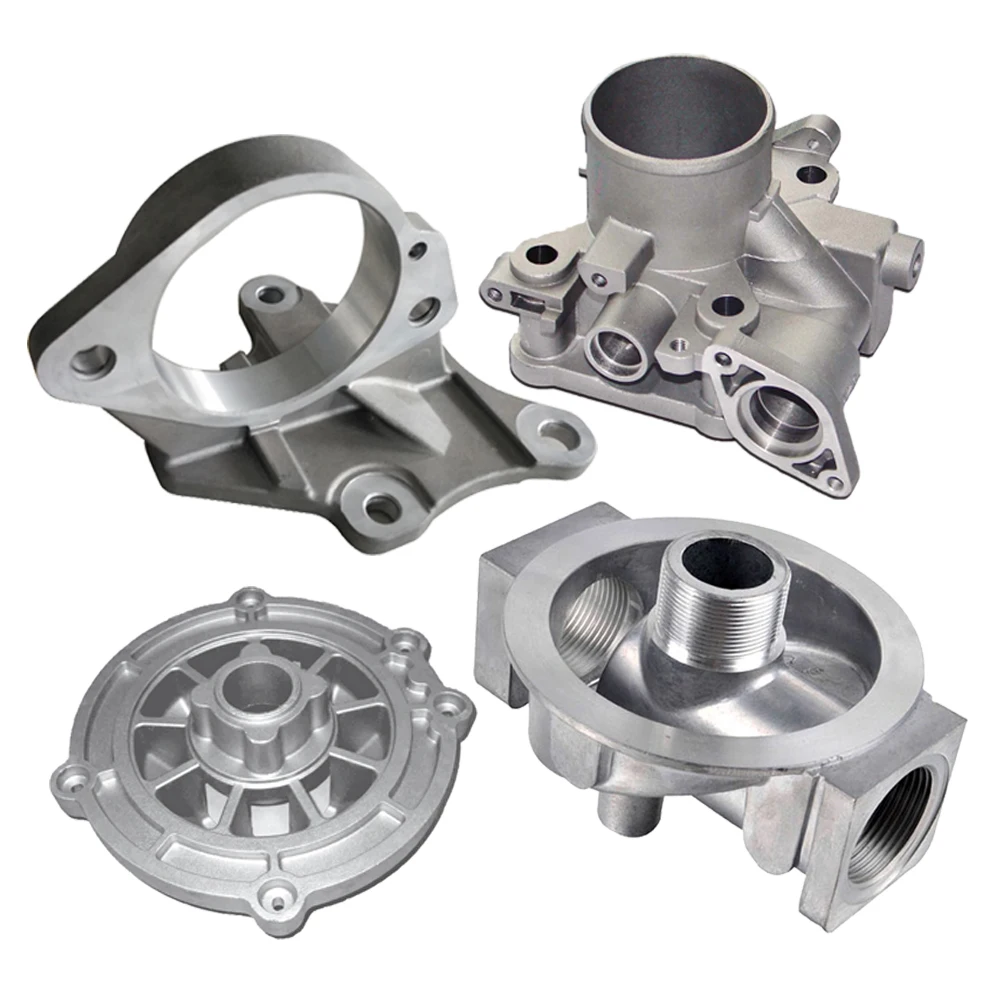
The versatility of light weight aluminum spreading has led to its prevalent fostering across numerous markets, taking advantage of the advantages of lightweight, durable parts. In the vehicle industry, light weight aluminum castings are utilized for engine blocks, transmission real estates, and wheels, contributing to sustain effectiveness and efficiency. The aerospace market employs light weight aluminum castings for architectural components, where weight decrease is necessary for flight performance. On top of that, the customer electronics field leverages aluminum spreading for device real why not look here estates and components, boosting sturdiness while keeping a smooth layout. The construction market also takes advantage of light weight aluminum castings, utilizing them in home window structures and architectural aspects that call for both strength and visual allure. Furthermore, the clinical field utilizes light weight aluminum spreadings for devices and tools, where precision and integrity are critical. In general, the varied applications of light weight aluminum spreading throughout these industries demonstrate its important duty ahead of time contemporary production practices.
The Future of Light Weight Aluminum Casting in Manufacturing
Innovation in aluminum casting modern technology promises to reshape producing procedures in the coming years. Advancements such as 3D printing and computer-aided layout are improving manufacturing, enabling a lot more complicated geometries and minimized waste. The assimilation of automation and robotics enhances effectiveness, making it possible for manufacturers to create high-grade components with minimal human intervention. Additionally, the advancement of brand-new aluminum alloys raises stamina and toughness, increasing the potential applications in markets like aerospace and automotive.
As sustainability becomes a top priority, reusing capacities within light weight aluminum spreading will certainly improve, reducing environmental impact. The implementation of wise manufacturing methods, including IoT and data analytics, will certainly further optimize production process and maintenance methods. These improvements not just boost functional performance but also reduced costs, making light weight aluminum casting an even more appealing choice for producers. Ultimately, the future of light weight aluminum spreading holds guarantee for advancement, sustainability, and improved competitiveness in the global market.
Regularly Asked Concerns
What Safety Measures Are Entailed in Light Weight Aluminum Casting Processes?
Safety actions in aluminum casting procedures include protective equipment, appropriate ventilation, training on tools use, regular upkeep of machinery, surveillance of liquified metal temperature levels, and adherence to security Full Article protocols to protect against mishaps and guarantee employee well-being.
Just How Is Aluminum Casting Eco Lasting?
Aluminum casting is ecologically sustainable due to its recyclability, power performance, and decreased greenhouse gas emissions. The use of recycled aluminum significantly decreases the power required for manufacturing, reducing environmental influence while saving all-natural sources.
What Prevail Issues in Aluminum Castings?
Usual flaws in aluminum spreadings include porosity, shrinking, misruns, cold shuts, and incorporations. These issues can emerge from incorrect temperature control, poor mold and mildew style, or contamination, click for more info influencing the general quality and stability of the end product.
Can Light Weight Aluminum Casting Be Recycled?
Yes, aluminum spreading can be recycled. The recycling procedure decreases power usage and environmental influence, permitting the reuse of light weight aluminum in new products. This sustainability element enhances its charm in various production markets.
What Industries Largely Utilize Light Weight Aluminum Casting?
Aluminum spreading is largely utilized in the auto, aerospace, durable goods, and electronics sectors. These industries take advantage of aluminum's light-weight, corrosion-resistant residential properties, boosting product performance, performance, and resilience across different applications and parts.
Over the years, various ingenious strategies have transformed aluminum casting, significantly boosting its effectiveness and precision. As improvements in making modern technology proceed to evolve, advancements in light weight aluminum spreading have actually arised, improving performance and precision in production processes. While the improvement of light weight aluminum spreading modern technologies presents countless advantages, its most remarkable effect lies in improving production efficiency and driving cost decrease. The aerospace sector uses aluminum spreadings for architectural elements, where weight reduction is necessary for trip effectiveness. Aluminum casting is eco lasting due to its recyclability, power effectiveness, and decreased greenhouse gas emissions.